Call Us 24/7
The good news first: there is no bad month for Ngorongoro. The crater is like a natural wildlife bowl — animals stay all year. But if you are looking for the best time to visit Ngorongoro crater for a safari experience, some months bring clearer views, softer light, or fewer vehicles. Let’s break it down in safari-friendly language, not weather charts.
Dry Season
June – October
Short Rains
November – early December
Green Season
January – March
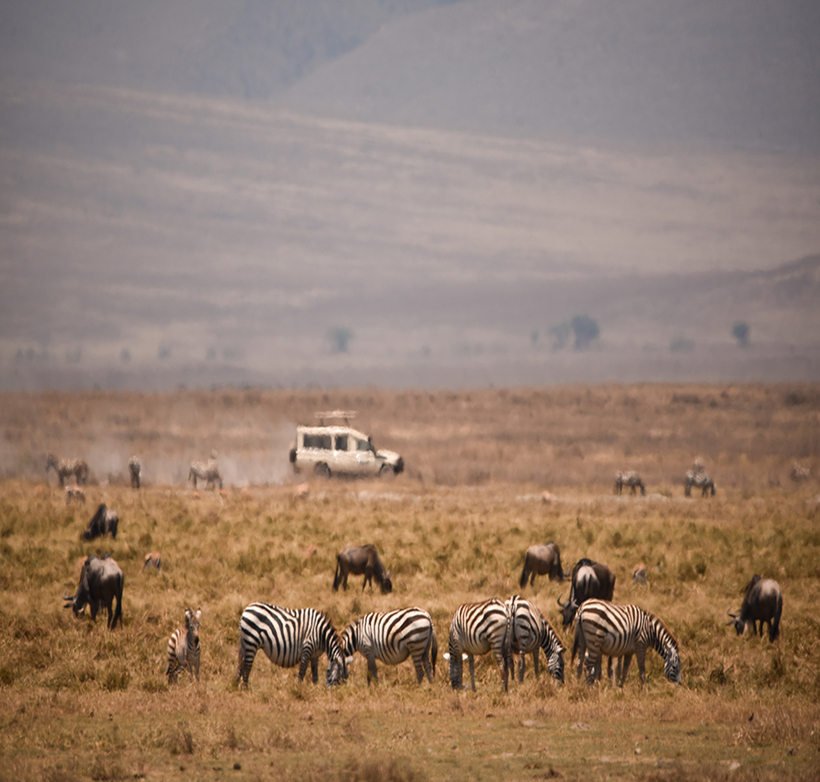
January – March: Warm days, some showers, very green views. Wildlife is still easy to see on the open crater floor. A fun time to visit if you don’t mind a bit of rain.
April – May: Long rains. Fewer visitors, but roads can be muddy and some lodges run specials. If you like moody skies and do not mind rain gear, this can be an adventure.
June – August: Cool, clear and busy. A very popular time to visit Ngorongoro, especially for guests also heading to Serengeti. Morning layers and a warm hat are your friends.
September – October: Still dry, often a little warmer. Views remain great and animals are nicely concentrated. A sweet spot for many travellers.
November :Short rains bring back the green. Fewer vehicles than July–August, and the crater looks freshly washed. A good “smart choice” month.
December: Mix of festive season travellers and short rains. Book early if you want to travel over Christmas and New Year.
If you want simple and safe: choose June to October as the best time to visit Ngorongoro crater for a safari experience. If you enjoy greener views, fewer cars, and don’t mind some showers, November and March often surprise guests in a very good way.
Serengeti Wild Tours - Tanzania Safari - Kilimanjaro Trekking - Zanzibar Holiday.

Call Us 24/7
Copyright © Serengeti Wild Tours | All Rights Reserved