My honest advice before you book
If you are reading this, you are probably thinking of visiting Tanzania in July, August or September and trying to understand whether these are the right months for safari.
My honest answer is yes, they are some of the strongest months for a Northern Tanzania safari, but the best route depends on what you want to see, how many days you have, and how comfortable you want the journey to feel.
I am Rose, a safari specialist based in Arusha. For 14 years, I have been planning and operating safaris for guests coming to Tanzania. I have seen many travellers make the same mistake: they choose a safari only by the name of the park, without checking where the animals are likely to be, how long the drives are, and whether their accommodation location actually supports what they came to see.
This guide is here to help you think clearly before you book. It is not here to promise a perfect wildlife moment on a fixed day. Nature does not work like that.
Are July, August and September good months for safari?
Yes. July, August and September are part of Tanzania's dry season. In many areas, the grass becomes shorter, wildlife is easier to spot, and animals often gather closer to reliable water sources. For first-time visitors, this can make the safari feel rewarding because you are not spending the whole day searching through thick vegetation.
These months are also popular because they connect with school holidays, honeymoon travel and the Great Migration season in the Serengeti. But they should not all be planned in exactly the same way.
Month-by-month local advice
Tap each month below to see how I would explain it to a client before they choose their safari route.
Tanzania safari in July
In July, I normally advise travellers to be careful with very short migration safaris. It can be a wonderful month, but the herds may still be moving and the best plan depends on the season's pattern.
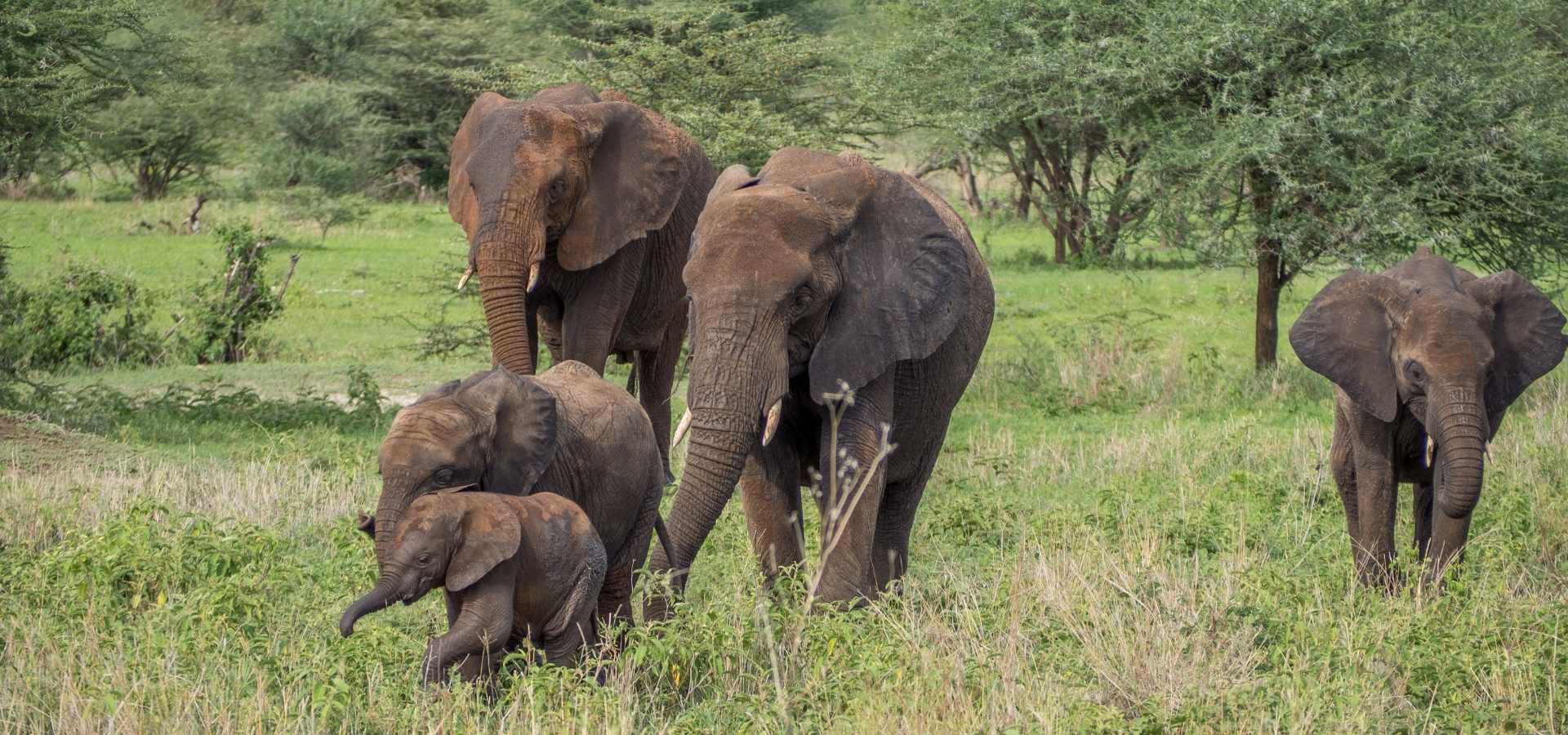
If you have enough days, a route that includes Tarangire, Central Serengeti, Northern Serengeti and Ngorongoro gives you a stronger safari than rushing only to one area. Tarangire is especially worth considering in the dry season because elephants and other wildlife often become easier to see around water.
Tanzania safari in August
August is one of the busiest and most requested safari months. If you are travelling in August and want Northern Serengeti, it is better to plan early.
The reason is simple: good camps and lodges in the right locations can fill quickly. If you wait too long, you may still get a safari, but you may have fewer accommodation choices or you may sleep farther from the area you hoped to explore.
Tanzania safari in September
September is one of my favourite months to explain to clients because it is still very strong, but it can feel less rushed than August. Wildlife viewing remains good in many areas, and it works well for guests who want to combine safari with Zanzibar or Kilimanjaro.
For honeymooners, couples and travellers who prefer a smoother pace, September can be a very sensible choice.

My honest advice about the Great Migration
If your dream is the Great Migration, the Serengeti area you choose matters. Many travellers simply say "I want to go to Serengeti," but the Serengeti is very large. Central Serengeti and Northern Serengeti are not the same when you are planning for July, August and September.
For migration-focused safaris, Northern Serengeti is usually very important during these months because many guests are hoping to be close to the Mara River area. But even then, no honest operator should guarantee a river crossing on a specific date. The herds move with rain, grass, pressure, instinct and timing.

Which parks make sense in these months?
For most first-time visitors, the best parks to consider in July, August and September are Tarangire, Serengeti and Ngorongoro. Lake Manyara can also be included when the route and timing make sense.
How many days should you plan?
The number of days matters more than many people think. A 4 or 5 day safari can be good if you are short on time, but for July, August and September migration safaris, I usually prefer 7 or 8 days when possible.
This gives the itinerary space to include Northern Serengeti without making every day feel like a transfer. When a safari is too rushed, guests may visit famous names but spend too much time driving and not enough time enjoying the parks.
5 Days Tanzania Safari
Good for travellers who want Tarangire, Central Serengeti and Ngorongoro without adding too many travel days.
6 Days Tanzania Safari
A more comfortable choice if you want the safari to breathe a little, especially around Serengeti.
7 to 8 Days Northern Serengeti Safari
Better for guests who are serious about the July to September migration season and want time in the right areas.
10 Days Safari and Zanzibar
A lovely option for honeymooners, couples and first-time visitors who want wildlife first and ocean rest after.
Small planning details that make a big difference
My honest advice is to choose your safari by month, not only by package title. A package name may look attractive online, but the real value is in the park order, accommodation location, driving time and guide quality.
Before you book, ask where you will sleep in the Serengeti, how many nights you have there, whether the route matches your month, and whether the pace is comfortable for your group.
Another thing I tell clients is not to plan only around one wildlife moment. A river crossing is powerful, but a Tanzania safari is much more than that. You may see lions with cubs, elephants walking through Tarangire, sunrise over the Serengeti, hyenas calling near camp, or a quiet moment at Ngorongoro that stays with you for years.
Who these months suit best
If you are travelling with children, these months can work well because wildlife viewing is often easier. The main thing is to avoid a route that is too long or too rushed. Families usually enjoy a private safari because the guide can adjust the pace, stop when needed and make the days more comfortable.
If you are planning a honeymoon, I would avoid choosing only the cheapest route. The lodge location, privacy, room comfort and pace of the itinerary matter a lot. A private safari with a Zanzibar ending often works beautifully for July, August and September.

What to pack for July, August and September
Pack light layers, neutral colours, a warm layer for early mornings, comfortable shoes and sun protection. Morning game drives can feel cool, especially before the sun rises, while midday can be bright and dusty.
A scarf or light buff is useful, and a good camera or phone with enough storage is important because these months can be very rewarding for photography.
Questions travellers often ask me
Final advice from Rose
In the end, the best Tanzania safari in July, August or September is not the one with the most famous name. It is the one that matches your dates, your interests, your comfort level and the real movement of the season.
If you would like calm advice before choosing, send your travel dates, number of people and the kind of comfort you prefer. I will help you understand which route makes the most sense before you book.
Ask Rose for safari adviceSubscribe for local Tanzania safari advice
Get calm, useful safari planning tips from Serengeti Wild Tours before you choose your route, lodge or travel month.