
Call Us 24/7
Altitude sickness is the most common reason climbers fail to summit Mount Kilimanjaro. Understanding how altitude affects your body, recognizing the symptoms of Acute Mountain Sickness (AMS), and knowing how to prevent and manage it are among the most important preparations you can make before your climb.
This complete guide from the Serengeti Wild Tours mountain team covers everything you need to know about altitude sickness on Kilimanjaro, from the science behind it to the practical strategies that give you the best chance of reaching Uhuru Peak safely. For a broader preparation guide, read our Kilimanjaro Training & Preparation Guide.
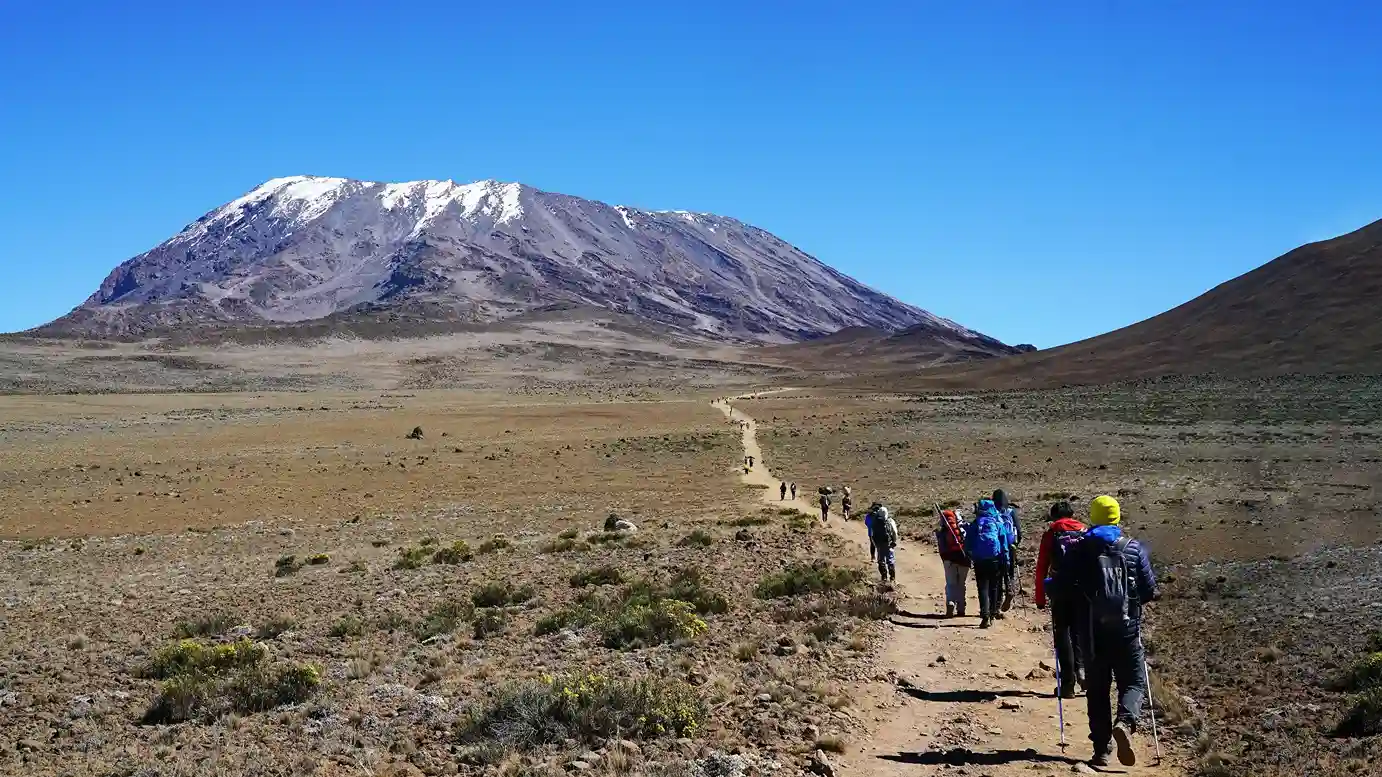
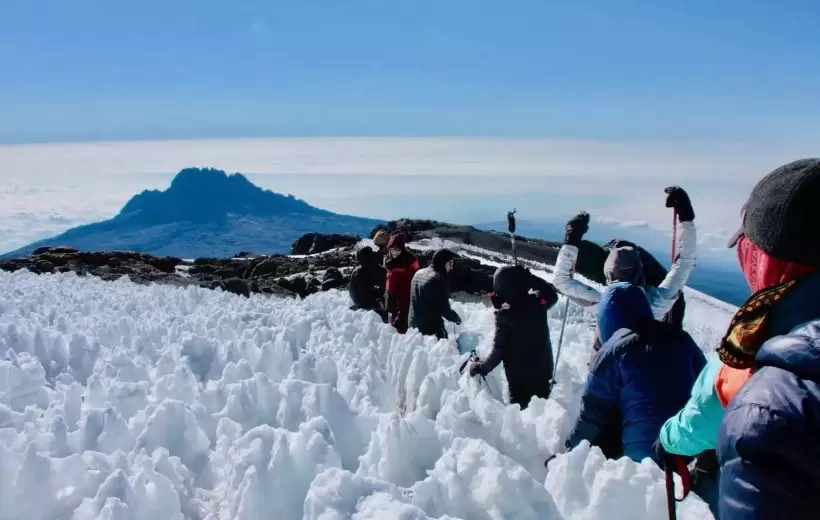
Kilimanjaro rises from approximately 1,000 meters at its base to 5,895 meters at Uhuru Peak. The partial pressure of oxygen at the summit is approximately 50% of what it is at sea level. Your body needs time to adapt — producing more red blood cells and redistributing blood flow — to function efficiently at these altitudes.
When you ascend too quickly, your body cannot adapt fast enough. The result is Acute Mountain Sickness (AMS) — a cluster of symptoms ranging from mild discomfort to life-threatening cerebral and pulmonary edema in severe cases.
Mild AMS symptoms are expected on Kilimanjaro and do not automatically require descent. They should be monitored carefully.
Moderate AMS symptoms require rest, hydration, and assessment by your guide. Descent may be necessary.
HACE is a medical emergency. Immediate descent and emergency oxygen are required. Our guides are trained to recognize HACE and carry emergency oxygen on all climbs.
HAPE is the most common cause of altitude-related death. Immediate descent and emergency oxygen are critical. Our guides monitor all climbers for HAPE symptoms throughout the ascent.
The single most effective AMS prevention strategy is choosing a longer route with a better acclimatization profile. We strongly recommend the 7-day Machame Route or 8-day Lemosho Route for the best acclimatization. Read our Kilimanjaro Route Guide for a full comparison.
The Swahili phrase pole pole (slowly slowly) is the golden rule of Kilimanjaro. Your guide's pace is calibrated for acclimatization. Do not try to hike faster.
Dehydration worsens AMS significantly. Drink 3–4 liters of water or electrolyte fluid per day on the mountain, even if you do not feel thirsty.
The "climb high, sleep low" acclimatization hikes built into routes like Machame (Lava Tower day) and Lemosho (multiple Shira Plateau acclimatization walks) are scientifically proven to improve altitude adaptation.
Acetazolamide (brand name Diamox) is a prescription medication that stimulates faster, deeper breathing, improving oxygen uptake and acclimatization speed. Consult your doctor or travel health clinic at least four to six weeks before your climb to discuss whether Diamox is appropriate for you. It does not eliminate the need for proper acclimatization — it supplements it.
Your appetite often decreases at altitude, but maintaining caloric intake supports your body's acclimatization processes. Eat even if you are not hungry.
All Serengeti Wild Tours mountain guides conduct daily pulse oximetry readings at camp — measuring your blood oxygen saturation and heart rate to assess acclimatization progress. These readings, combined with daily symptom assessments, allow our guides to make informed decisions about pace, acclimatization hikes, and when descent is necessary.
We carry portable emergency oxygen on all climbs. Our guides are trained in Wilderness First Aid and have extensive experience managing altitude illness on the mountain.
Good cardiovascular fitness significantly improves your body's ability to adapt to altitude. Begin training at least 8–12 weeks before your Kilimanjaro climb using the program in our training guide. Pack all essential gear using our Kilimanjaro Packing List, and book your climb with an operator who prioritizes safety over speed.
At Serengeti Wild Tours, your safety is our highest priority. We choose longer, safer routes, set conservative daily pacing, conduct daily health monitoring, and carry emergency equipment on every climb. Contact us today to plan your Kilimanjaro trek with an operator who takes altitude safety as seriously as you do.
Copyright © Serengeti Wild Tours | All Rights Reserved