9 Days Northern Circuit
9 Days Northern Circuit
Overview
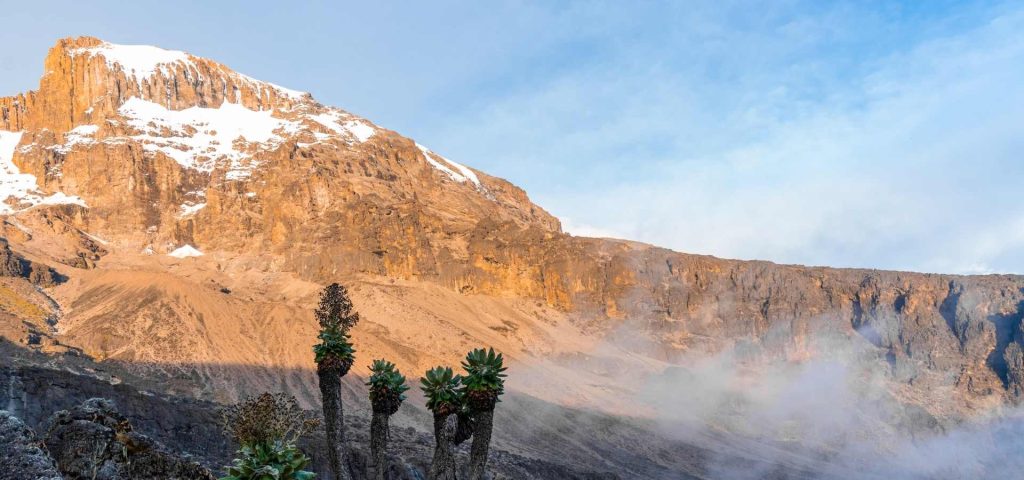
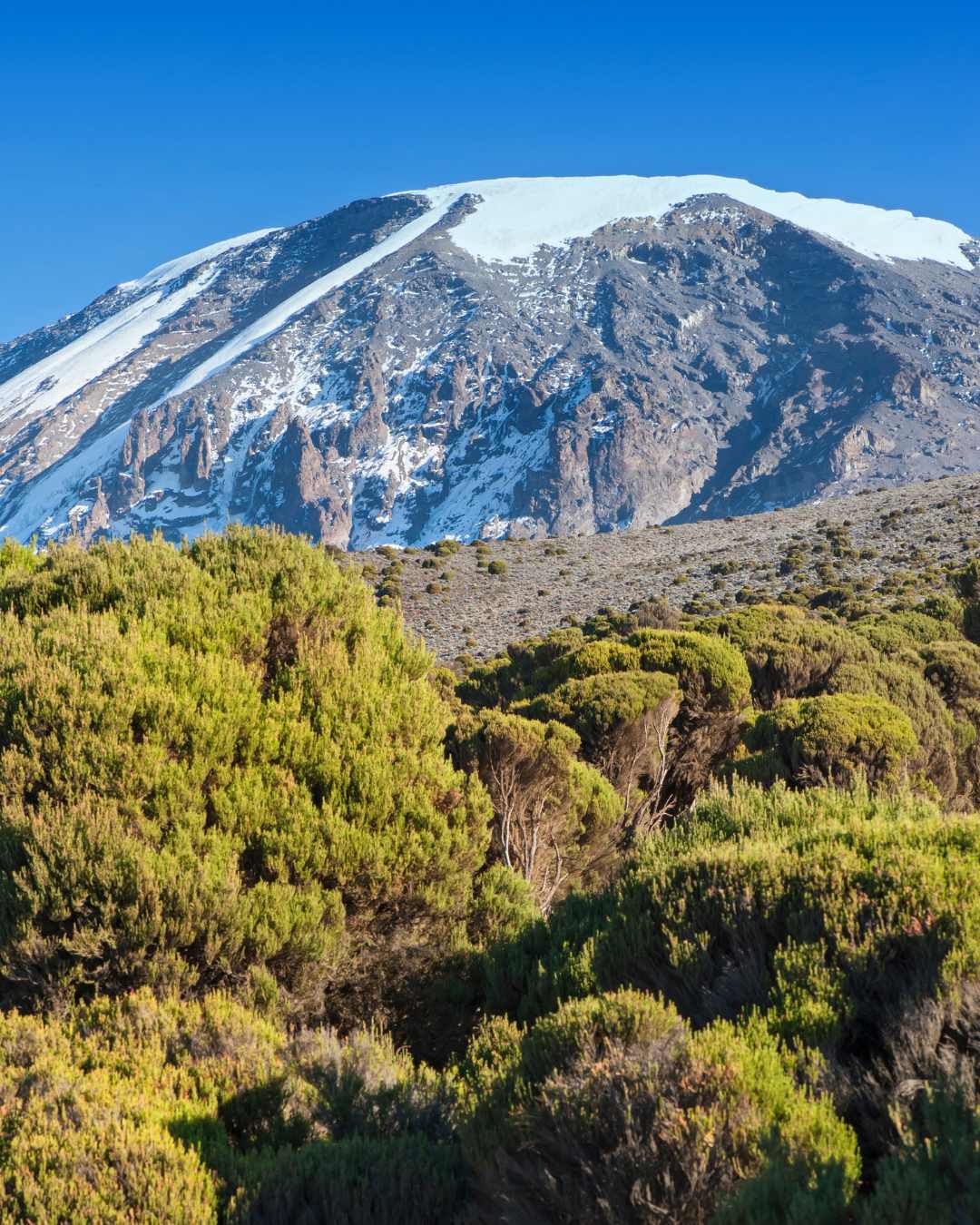
The 9 days northern circuit is one of the best Kilimanjaro trekking routes for climbers who want more acclimatization time, quieter trails, and wide scenic views around the mountain. This route approaches from the west, crosses the Shira Plateau, follows the remote northern slopes, and leads to Uhuru Peak before descending through Mweka Gate. With Serengeti Wild Tours, this climb is ideal for trekkers looking for a longer, well-paced Kilimanjaro adventure with a strong chance of summit success.
Highlights
- 9 days northern circuit climb on Mount Kilimanjaro with Serengeti Wild Tours
- Remote Kilimanjaro route with fewer crowds and wide wilderness views
- Trek from Londorossi Gate through Mti Mkubwa, Shira Plateau, Moir Hut, Pofu Camp, Third Cave, and School Hut
- Excellent acclimatization profile with gradual altitude gain and longer time on the mountain
- Summit attempt from School Hut to Uhuru Peak at 5,895 meters
- Descend through Barafu Camp, Millennium Camp, and Mweka Gate
- Camping accommodation, mountain meals, professional guides, porters, cook, park fees, and transfers included
- Safety support with emergency oxygen, first aid supplies, pulse oximeter checks, and evacuation procedure
Itinerary
Your 9 days northern circuit climb begins with a transfer to Londorossi Park Gate for registration and park formalities. After the crew prepares supplies and luggage, start the trek along the forest trail toward Mti Mkubwa Camp, also known as Big Tree Camp. This first section introduces the quiet western side of Mount Kilimanjaro and allows you to begin acclimatizing at a steady pace. The campsite sits at about 2,895 meters. Transport time is about 1.7 hours over 80 kilometers, followed by 3 to 4 hours of hiking with an ascent of about 535 meters.
After breakfast, continue eastward across the Shira Plateau with beautiful views of Shira Cathedral and the surrounding moorland. The trail opens gradually as you leave the forest zone and move into higher mountain landscapes. By the time you reach Shira 1 Camp at about 3,500 meters, you may start seeing the glaciers of the Western Breach. Nights become colder at this altitude, so warm clothing is important. Hiking time is usually 5 to 6 hours, with an ascent of about 605 meters.
Today the trail continues across the Shira Plateau toward Shira 2 Camp. You will walk near Shira Cathedral, a dramatic rock formation surrounded by steep spires and open wilderness. The scenery is wide, quiet, and highly rewarding, especially when the afternoon mist moves across the plateau. From camp, there are excellent views toward Mount Meru on clear days. This day supports gradual acclimatization on the 9 days northern circuit. Hiking time is about 3 to 4 hours, with an ascent of around 310 meters and a maximum altitude near 3,810 meters.
Leave the moorland zone behind and walk across the high-altitude Shira Caldera toward Shira Cave, with striking views of Arrow Glacier and Kilimanjaro's upper slopes. The route climbs gently but steadily, giving your body more time to adapt to the altitude. You will camp at Moir Hut, a quieter campsite located at about 4,200 meters. This stage begins to show the remote character that makes the Northern Circuit special. Hiking time is around 6 to 7 hours, with an ascent of about 390 meters.
From Moir Hut, climb out of the Moir Valley and take a short detour toward the summit of Lent Hills at about 4,700 meters. After enjoying the views, return to the main trail and continue eastward around the Northern Circuit. The final section undulates across open terrain until you reach Pofu Camp. This is one of the more remote and scenic days of the 9 days northern circuit, with excellent wilderness atmosphere and few crowds. Hiking time is usually 7 to 8 hours, with about 500 meters of ascent and 680 meters of descent.
After breakfast, leave Pofu Camp and cross several small valleys as the trail continues through a dry, open landscape with increasingly sparse vegetation. The walking is steady and peaceful, giving climbers more time to acclimatize before the higher camps ahead. You will eventually reach Third Cave Camp, where the team settles in for dinner and overnight camping. This section helps maintain the gradual rhythm of the 9 days northern circuit. Hiking time is about 6 to 7 hours, with a small descent and a maximum altitude near 4,020 meters.
Today you make a steady ascent toward the Saddle, a wide lunar landscape between Kibo and Mawenzi peaks. From here, continue upward to reach School Hut in the early afternoon. The rest of the day is used for resting, checking summit gear, eating well, and preparing mentally for the final climb to Uhuru Peak. Your guides will brief you on the summit schedule, pacing, and safety procedures. Hiking time is normally 5 to 6 hours, with an ascent of about 830 meters and a maximum altitude near 4,790 meters.
The summit attempt begins around 1:00 am on a switchback trail through loose volcanic scree toward Gillman's Point on the crater rim. After a short rest and sunrise views over Mawenzi, continue toward Uhuru Peak at 5,895 meters, the highest point in Africa. The trail passes close to glaciers and ice cliffs in the summit zone before descending along the crater rim to Stella Point and down through Barafu Camp. Porters will meet you with a packed lunch, then you continue descending to Millennium Camp. This is the longest and most demanding day, usually taking 14 to 16 hours with 1,105 meters of ascent and 2,068 meters of descent.
After breakfast, complete the final descent through forest trails to Mweka Park Gate. At the gate, you will collect your summit certificate from the park headquarters and complete the final mountain procedures. Serengeti Wild Tours will then transfer you back to your hotel for a well-earned shower, rest, and celebration after completing the 9 days northern circuit Kilimanjaro climb. Hiking time is about 5 to 6 hours, with a descent of around 2,027 meters. The private transfer from Mweka Gate to the hotel takes about 0.6 hours over 17 kilometers.
- All transfers to the mountain and back to your Moshi hotel
- Airport pickup and drop-off
- Professional and experienced mountain guides
- Accommodation before and after the trek as listed in the package
- Guides, porters, cook salaries, and park fees
- Quality waterproof four-season mountain sleeping tents on twin sharing basis
- Sleeping mattress
- Emergency oxygen cylinder
- All meals while on the mountain
- Quality mess tent with table and chairs
- Large portions of fresh, healthy, and nutritious food
- Clean and purified drinking water
- Conservation fees as part of park fees
- Camping or hut fees as part of park fees
- Rescue fees as part of park fees
- VAT charged by the Government of Tanzania
- Tanzania visa
- International flights
- Personal trekking equipment such as sleeping bags, hiking boots, clothing, and other personal gear
- Tips and gratuities
- Travel insurance
- Personal expenses such as laundry, telephone, beverages, and souvenirs
- Meals not listed in the itinerary
- Liquors, beers, and bottled beverages
- Online payment surcharge for balance payment where applicable
Booking
Add a booking form shortcode in the package editor (Booking Tab section).
- All transfers to the mountain and back to your Moshi hotel
- Airport pickup and drop-off
- Professional and experienced mountain guides
- Accommodation before and after the trek as listed in the package
- Guides, porters, cook salaries, and park fees
- Quality waterproof four-season mountain sleeping tents on twin sharing basis
- Sleeping mattress
- Emergency oxygen cylinder
- All meals while on the mountain
- Quality mess tent with table and chairs
- Large portions of fresh, healthy, and nutritious food
- Clean and purified drinking water
- Conservation fees as part of park fees
- Camping or hut fees as part of park fees
- Rescue fees as part of park fees
- VAT charged by the Government of Tanzania
FAQs
Yes. The 9 days northern circuit is one of the best Kilimanjaro routes for acclimatization because it spends more days on the mountain, gains altitude gradually, and follows a longer route before the summit attempt.
It is a challenging high-altitude trek that requires fitness, steady pacing, and mental preparation. The summit day from School Hut to Uhuru Peak and down to Millennium Camp is the hardest section because it is long, cold, and physically demanding.
The climb starts at Londorossi Gate on the western side of Mount Kilimanjaro and follows the Northern Circuit around the quieter northern slopes. The descent is made through Mweka Gate.
The package includes mountain transfers, airport pickup and drop-off, professional guides, porters, cook, park fees, camping fees, rescue fees, mountain tents, sleeping mattress, mountain meals, drinking water, emergency oxygen, and accommodation before and after the trek as listed.
You should bring proper trekking boots, warm layers, waterproof clothing, gloves, headwear, personal medication, toiletries, and a suitable sleeping bag. Personal trekking equipment is not included, but some items may be available for rent.
Yes. The mountain team carries first aid supplies, emergency oxygen, and pulse oximeters. Guides also monitor climbers and follow an evacuation procedure if altitude sickness or another urgent situation occurs.