7 Days Ndutu Migration Safari
7 Days Ndutu Migration Safari
Overview
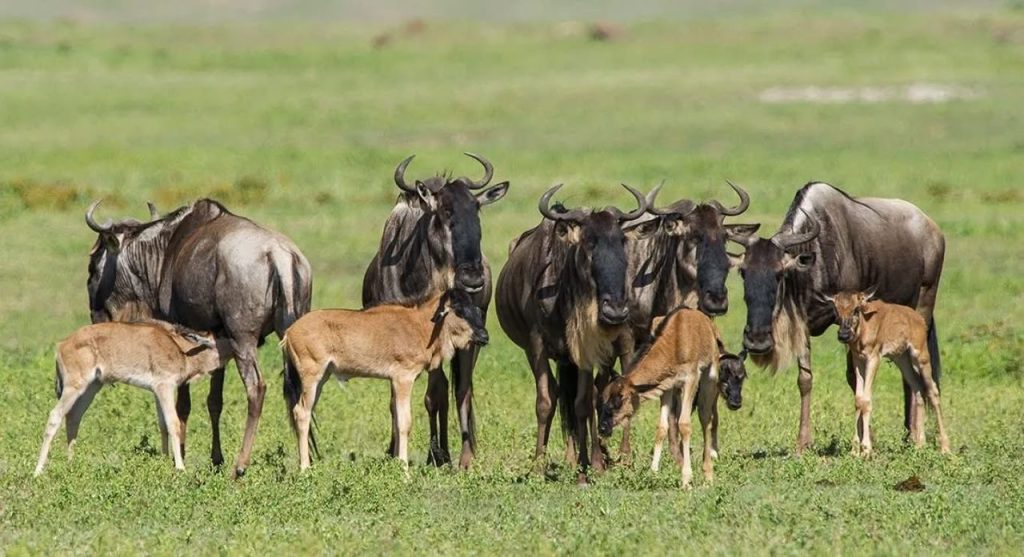
7 Days Ndutu Migration Safari is a well-paced Northern Tanzania safari for travelers who want to experience the Great Migration calving season, big cats, and classic wildlife landscapes. With Serengeti Wild Tours, this route combines Tarangire National Park, the Ndutu plains, Serengeti National Park, and Ngorongoro Crater, giving you a strong mix of elephant country, migration herds, predator action, and crater-floor wildlife. The safari is especially recommended from December to March, when Ndutu becomes one of the best areas to see wildebeest, zebras, newborn calves, lions, cheetahs, hyenas, and open-plains drama.
Highlights
- 7 Days Ndutu Migration Safari through Tarangire, Ndutu, Serengeti, and Ngorongoro Crater
- Best from December to March, when the Ndutu plains are a key calving area for the Great Migration
- Arrival support at Kilimanjaro Airport with transfer to Arusha before the safari begins
- Tarangire National Park game drive with elephants, baobab trees, giraffes, lions, zebras, antelopes, and birdlife
- Two nights in Ndutu for migration viewing, wildebeest calving season, predators, Lake Ndutu, and Lake Masek wildlife areas
- Serengeti National Park safari across endless plains, kopjes, big cats, elephants, wildebeest, zebras, and classic savannah landscapes
- Ngorongoro Crater safari with strong chances for lions, elephants, buffaloes, hippos, hyenas, cheetahs, and possible black rhino
- Includes professional safari guide, 4x4 safari vehicle, park fees, crater fee, accommodation, meals, drinking water, and airport transfers
Itinerary
On arrival at Kilimanjaro International Airport, the Serengeti Wild Tours team will meet you and transfer you to Arusha. This arrival day gives you time to rest after your flight, meet your safari team, and prepare for the journey ahead. You will overnight at Tulia Lodge or a similar property, depending on availability, before beginning the main safari route the next morning.
Your 7 Days Ndutu Migration Safari begins with morning pickup from your hotel in Arusha, followed by a drive to Tarangire National Park. Tarangire is known for ancient baobab trees, seasonal swamps, and large elephant families that gather around the Tarangire River. During the game drive, look for giraffes, zebras, buffaloes, lions, antelopes, wildebeest, and rich birdlife. A picnic lunch is served inside the park, allowing you to enjoy a full day of wildlife viewing before continuing to your lodge for dinner and overnight.
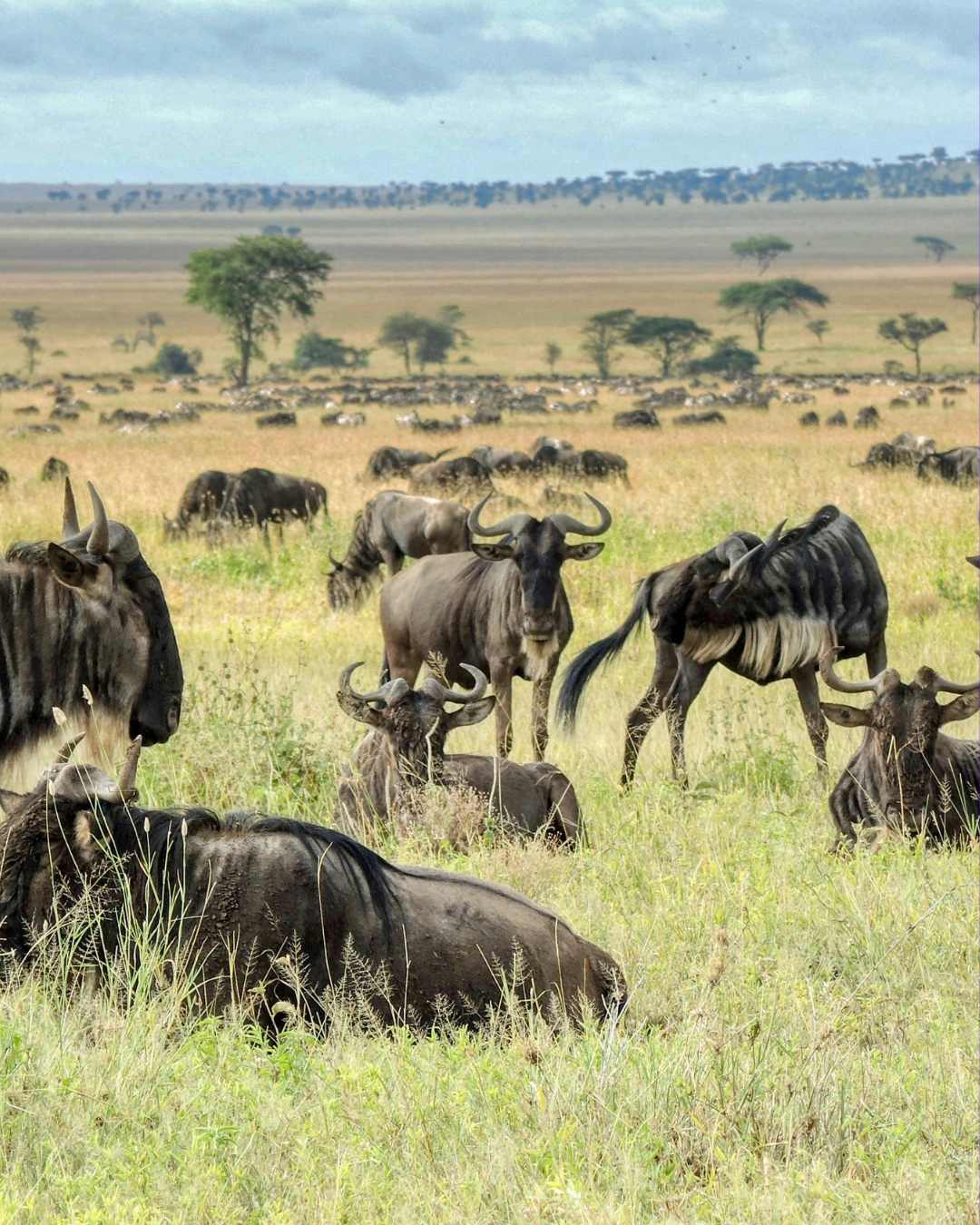
After breakfast, drive toward the Ndutu region through the Ngorongoro Conservation Area. The scenery changes from highland forest and rolling hills to open grasslands as you approach the southern Serengeti ecosystem. Ndutu is one of the most important areas for the Great Migration during the calving season, especially from December to March. On arrival, begin a game drive across the plains around Lake Ndutu and Lake Masek, where wildebeest, zebras, gazelles, lions, cheetahs, hyenas, and other predators may be seen.
Spend a full day exploring the Ndutu area with your private safari guide. The day is planned around current wildlife movement, so your guide will follow fresh tracks and local reports to position you near the best viewing areas. During the right season, the fertile plains become calving grounds for the migration, attracting large herds and active predators. This is one of the best days for photography, big cat sightings, and observing the natural rhythm of the southern Serengeti ecosystem.
After breakfast, leave Ndutu and continue toward Serengeti National Park with game viewing along the way. As the route opens into endless plains, you may see wildebeest, zebras, elephants, giraffes, hyenas, lions, cheetahs, and other plains wildlife. The Serengeti is famous for its kopjes, open savannah, predator populations, and year-round wildlife action. Enjoy a picnic lunch during the day and arrive at your tented camp in time for dinner and a relaxed evening in the bush.
Today is dedicated to a full day of game viewing in Serengeti National Park. Your guide may focus on productive wildlife areas with kopjes, river valleys, and open plains, depending on the season and recent sightings. The Serengeti supports one of the strongest concentrations of plains wildlife in Africa and is a key part of the Great Migration ecosystem. Expect a rewarding day with chances for big cats, elephants, giraffes, buffaloes, wildebeest, zebras, impalas, and excellent landscape photography.
Begin with a morning game drive in the Serengeti before traveling toward the Ngorongoro Conservation Area. The route gives you more time for wildlife viewing while leaving the Serengeti plains and heading toward the highlands. Ngorongoro is one of Africa’s most impressive natural wildlife areas, and the crater rim offers a dramatic change of scenery after several days on the plains. Arrive at your lodge or camp near the crater rim for dinner, rest, and preparation for the crater safari the next morning.
After an early breakfast, descend into Ngorongoro Crater for a final safari highlight. The crater floor is a compact wildlife haven with lions, elephants, buffaloes, hippos, hyenas, cheetahs, and, with luck, black rhino. Enjoy a game drive and picnic lunch inside the crater before ascending the crater wall. In the afternoon, drive back to Arusha, where the Serengeti Wild Tours team will drop you at your preferred location and your 7 Days Ndutu Migration Safari comes to an end.
- All park and conservancy fees
- Ngorongoro Crater service fee
- Professional safari guide and driver
- Accommodation as per the itinerary
- All meals during the safari
- Drinking water during the safari
- Private 4x4 safari vehicle
- Surcharge for online payment of deposit where applicable
- Accommodation before and after safari as listed in the package
- Airport pickup and drop-off
- Tanzania visa
- Tips and gratuities
- International or local flight tickets
- Travel insurance
- Meals not listed in the itinerary
- Surcharge for online payment of balance where applicable
- Personal expenses and souvenirs
- Optional activities not mentioned as included
Booking
Book This Package
Send your travel details to Serengeti Wild Tours. Our team will reply with availability, price confirmation, and the next booking steps.
- All park and conservancy fees
- Ngorongoro Crater service fee
- Professional safari guide and driver
- Accommodation as per the itinerary
- All meals during the safari
- Drinking water during the safari
- Private 4x4 safari vehicle
- Surcharge for online payment of deposit where applicable
- Accommodation before and after safari as listed in the package
- Airport pickup and drop-off
FAQs
The best time for the 7 Days Ndutu Migration Safari is usually December to March. This is when the migration often moves into the southern Serengeti and Ndutu plains, creating good conditions for calving, predator activity, and open-plains game viewing.
No operator can guarantee the exact position of the migration because herd movement depends on rain, grass, and natural conditions. However, this itinerary is designed around the strongest seasonal window for Ndutu calving season sightings.
Tarangire adds important variety before the migration areas. It is known for elephants, baobab scenery, seasonal swamps, and different wildlife behavior from Serengeti and Ngorongoro.
The package can be arranged as a private safari for better comfort, timing, and flexibility. Private guiding is especially useful for a migration safari because the guide can adjust the day according to wildlife movement.
You may see wildebeest, zebras, gazelles, lions, cheetahs, hyenas, elephants, giraffes, buffaloes, hippos, and many bird species. In Ngorongoro Crater, there is also a chance of seeing black rhino.
The sample itinerary uses tented camps and lodges, including Tulia Lodge, Tiloma Lodge, Ndutu Tented Camp, Serengeti Tortilis Camp or Domel Tented Camp, and Ngorongoro Tortilis Camp or Ngorongoro Rhino Lodge. Final accommodation depends on availability at booking time.
Yes. The itinerary gives time in Tarangire, Ndutu, Serengeti, and Ngorongoro, offering elephants, big cats, herds, open plains, crater scenery, and seasonal migration action. Ndutu is especially strong for low-angle wildlife photography and predator behavior during calving season.